
 By
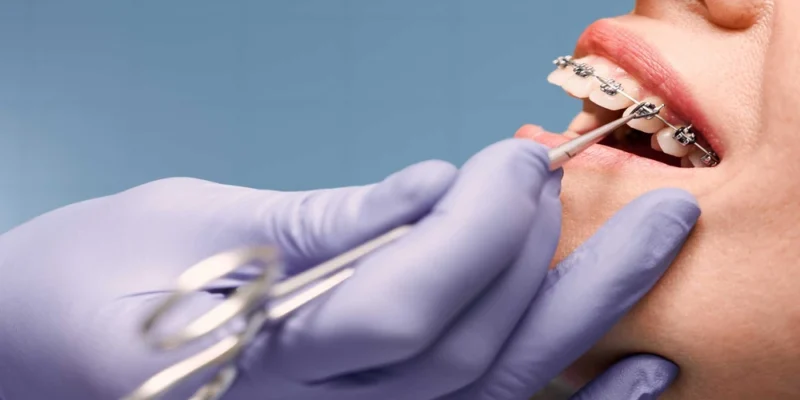
You want a brighter, more even smile, but your teeth already complain when you drink cold water or breathe in winter air. That tension is real. A lot of people put off cosmetic dental work because they assume sensitivity means they have to live with stains, chips, or uneven teeth, and that is not true. The better path is not pushing through pain. It is finding a plan that respects what your teeth can handle, including options like SureSmile treatment in Hemet.
A family dentist who offers cosmetic care usually looks at two things at once. They look at how you want your smile to change, and they look at why your teeth are sensitive in the first place. That mix matters. Surface stains, worn enamel, gum recession, old fillings, and grinding all change which treatments make sense. A good cosmetic plan does not start with whitening trays. It starts with comfort, diagnosis, and choices that protect your teeth long after the cosmetic work is done.
Family dentists start cosmetic treatment by finding the source of tooth sensitivity
Sensitive teeth are not all the same. One person has sharp pain from enamel wear. Another has exposed roots from receding gums. Someone else has a cracked filling, early decay, or clenching that leaves teeth sore and reactive. If you skip that step and go straight to cosmetic treatment, the result can feel worse instead of better.
That is why many family dentists customize cosmetic treatment for sensitive teeth by doing a full exam first. They may check bite pressure, gum health, cavities, old dental work, and habits like grinding. They may also ask when the pain happens. Is it heat, cold, sweets, brushing, or pressure? Those details narrow down the cause.
If gum issues are part of the problem, treating them comes before cosmetic work. The National Institute of Dental and Craniofacial Research explains how gum disease affects oral health, and that matters here because inflamed or receding gums can leave roots exposed and make whitening or bonding uncomfortable. Cosmetic care works better when the foundation is stable.
Cosmetic plans for sensitive teeth use gentler whitening methods
Whitening is often the first thing people ask for, and it is also the treatment that makes many sensitive patients nervous. That fear makes sense. Strong bleaching agents, long wear times, and one size fits all kits can trigger pain fast.
A customized plan changes the method, not just the goal. A family dentist may use lower strength whitening gel, shorter sessions, fewer rounds, or in office protection for the gums. They may have you use desensitizing toothpaste before treatment or space sessions farther apart. In some cases, they may suggest that whitening is not the best first move at all.
If your enamel is thin or your roots are exposed, trying to force a bright white result can backfire. You end up chasing a cosmetic change while making daily eating and drinking harder. A more careful dentist will tell you that comfort sets the limit, and that is not settling. It is smart planning.
Bonding, veneers, and contouring are chosen based on enamel, bite, and pain triggers
Not every cosmetic concern needs bleaching. Chips, small gaps, worn edges, and uneven shape may respond better to bonding or contouring. For some patients, veneers are an option, but only after the dentist decides your teeth can handle the preparation and your bite will not damage the result.
This is where custom cosmetic dental plans for sensitive teeth make a real difference. Bonding may be better than whitening for deep stains that do not respond well to bleach. Minor contouring may improve symmetry without exposing sensitive areas. Veneers may be delayed if your bite is unstable or if clenching would stress already reactive teeth.
General and cosmetic dentist care often overlaps here. A tooth that looks dull or misshapen may also need a filling replaced or a crack addressed first. MedlinePlus outlines common causes of tooth sensitivity, and many of them are structural. Cosmetic treatment has to work with those facts, not ignore them.
Family dentists protect sensitive teeth before, during, and after cosmetic care
The best cosmetic result is one you can live with comfortably. That means planning for aftercare from the start. A dentist may recommend fluoride treatments, desensitizing products, custom trays, night guards for grinding, or a softer brushing routine. They may ask you to pause acidic drinks for a while or change the timing of whitening touch ups.
Home care matters more than most people think. If you brush hard, snack on acidic foods, or skip regular cleanings, sensitivity can keep building under the surface. The NIDCR offers practical guidance on daily oral hygiene habits that support both comfort and cosmetic results.
| Cosmetic Option | Best Fit for Sensitive Teeth | Main Benefit | Main Caution |
|---|---|---|---|
| Low strength professional whitening | Mild sensitivity with healthy enamel | Gradual stain lifting with supervision | May still cause temporary sensitivity |
| Dental bonding | Chips, small gaps, localized discoloration | Improves shape and color with limited prep | Can stain or wear over time |
| Veneers | Selected cases with stable bite and enamel | Strong cosmetic change for color and shape | Not ideal if sensitivity source is untreated |
| Desensitizing and preventive care first | Moderate to severe sensitivity | Builds comfort before cosmetic work | Cosmetic changes may take longer |
Small treatment changes often prevent bigger setbacks
You may have seen whitening strips at the store and thought that starting there would save time and money. Sometimes it does the opposite. If the sensitivity gets worse, you may need to stop, recover, and then sort out the cause later. Professional planning can feel slower at first, but it often avoids repeat costs, extra pain, and disappointing results.
A family dentist also sees the bigger picture over time. They know if your child grinds, if your filling history suggests weak spots, or if your gums have changed over the years. That continuity helps when building a cosmetic plan for sensitive teeth that is realistic, not rushed.
Three steps you can take right now
Track your triggers. Write down what causes the sensitivity, cold drinks, sweets, brushing, or chewing on one side. That pattern helps your dentist pinpoint the cause faster.
Pause harsh whitening products. If over the counter strips or strong whitening toothpaste are making your teeth sting, stop using them until you get professional advice. Pushing through usually makes the next step harder.
Book an exam before choosing a cosmetic treatment. Ask for a plan that covers both appearance and sensitivity, including what needs to be treated first, what can wait, and how to keep discomfort low during the process.
You do not have to choose between a smile you like and teeth that feel calm. The right plan accounts for both. When cosmetic care is shaped around sensitivity instead of fighting it, the results are more comfortable, more durable, and easier to trust. If you have been putting this off because your teeth already feel on edge, now is a good time to schedule a visit with a general and cosmetic dentist and ask for a treatment plan built around your comfort.



Comments