
 By
By 
Designing a home that responds to the seasons is not only practical but also essential for comfort and energy efficiency. In Omaha, where winters are cold and summers can be hot and humid, thoughtful seasonal space planning helps residents maintain indoor comfort while making better use of their living areas.
Adjusting room layouts, materials, and décor between winter and summer allows homes in Omaha to function more effectively all year long.
Understanding Omaha’s Seasonal Living Needs
Omaha experiences strong seasonal shifts that affect how people use their homes. Winter encourages indoor gatherings and warmth, while summer promotes airflow, light, and flexible movement.
Key seasonal considerations in Omaha include:
- Cold winters that increase the need for insulation and cozy seating
- Warm summers that require improved ventilation and shaded interiors
- Changes in daylight hours that affect lighting needs and mood
Winter Room Design Priorities in Omaha
During winter, rooms should promote warmth, comfort, and efficient heat retention. The goal is to reduce drafts, concentrate activity in heated zones, and create a sense of shelter.
Effective winter design strategies include:
- Furniture grouping: Arrange seating closer together to create cozy conversation areas and reduce heat loss in large rooms.
- Textile layering: Use heavier curtains, wool rugs, and upholstered furniture to improve insulation and comfort.
- Light optimization: Position seating near windows to benefit from natural daylight during shorter winter days in Omaha.
- Room zoning: Close off underused spaces to focus heating in frequently occupied areas.
Summer Room Design Priorities in Omaha
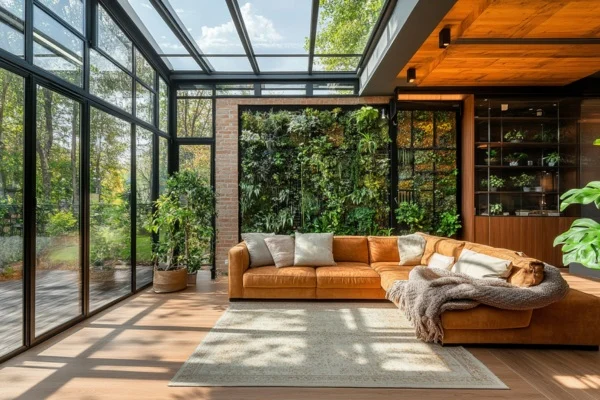
Summer design focuses on cooling, airflow, and visual openness. Rooms should feel light, flexible, and easy to move through, supporting daily activities and social gatherings.
Practical summer design elements include:
- Open layouts: Create clear pathways that allow air to circulate naturally throughout rooms.
- Lightweight materials: Replace heavy fabrics with cotton or linen to reduce heat retention.
- Window access: Keep window areas clear to support cross-ventilation during Omaha’s warmer evenings.
- Multipurpose spaces: Allow rooms to shift between work, relaxation, and entertaining as schedules become more active.
Why Seasonal Space Planning Improves Daily Living
Seasonal room adjustments are not just about comfort; they also improve functionality and emotional well-being. When rooms support seasonal routines, daily tasks feel easier and more natural.
Benefits of seasonal space planning in Omaha include:
- Better temperature control without excessive energy use
- Reduced wear on heating and cooling systems
- Improved use of natural light across seasons
- Greater adaptability for changing household needs
Homes that respond to seasonal changes help residents feel more connected to their environment and less dependent on artificial climate control.
Small Changes That Make a Big Seasonal Impact
Seasonal room design does not require full renovations. Simple, thoughtful changes can significantly improve how rooms perform throughout the year in Omaha.
Easy seasonal updates include:
- Swapping cushion covers and throw blankets
- Rearranging furniture near windows based on sunlight direction
- Adjusting storage placement to clear airflow paths
- Rotating artwork and accessories to reflect lighter or warmer moods
These updates allow Omaha residents to refresh their spaces without major expense or disruption.
Planning Ahead for Long-Term Comfort in Omaha Homes
Seasonal design works best when it is considered during the initial space planning process. Choosing flexible furniture, neutral base colors, and adjustable lighting systems allows rooms to transition easily between winter and summer needs.
Long-term planning considerations include:
- Modular furniture that can be rearranged easily
- Window treatments that support both insulation and shade
- Smart lighting that adjusts with seasonal daylight changes
Seasonal room design recognizes that homes in Omaha must perform differently in winter and summer. By adjusting layouts, materials, and daily-use zones, residents can create living spaces that support comfort, energy efficiency, and well-being all year long. Thoughtful seasonal space planning turns ordinary rooms into responsive environments that truly serve the people who live in them.


Comments