
 By
By 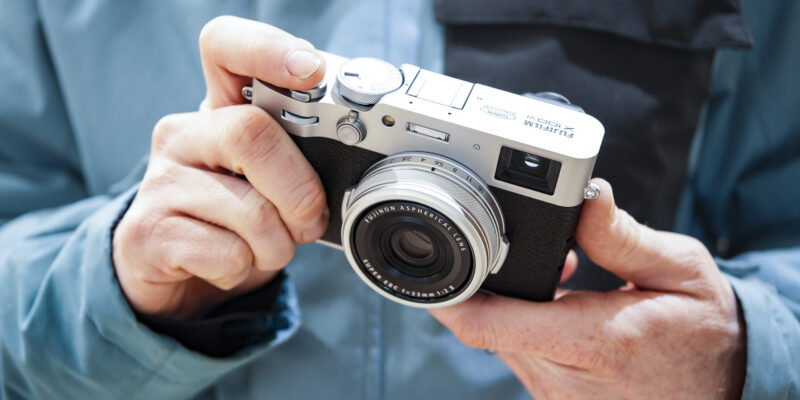
The best compact cameras in 2025 are for people who want substantially better photos than a smartphone provides without the bulk of a full kit. These cameras fit in a jacket pocket, perform well in low light, and offer enough manual control to allow users to actually learn the craft of photography.
Smartphones have gotten extremely good at computational photography – but they still can’t replicate optical zoom, large-sensor low light, or the creative control of a real camera in challenging conditions. That gap is exactly where compacts live.
Best Compact Cameras 2025: Full Comparison
| Camera | Sensor | Zoom | Low Light | Price (approx.) | Best For |
| Sony RX100 VII | 1-inch BSI-CMOS | 24-200mm equiv. (8x) | Excellent | $1,299 / £1,100 | Travel, general purpose, professional compact |
| Canon G7 X Mark III | 1-inch CMOS | 24-100mm equiv. (4.2x) | Very Good | $749 / £699 | Vlogging, content creation, social media |
| Ricoh GR IIIx | APS-C (large!) | 40mm equiv. (fixed) | Exceptional | $999 / £879 | Street photography, documentary, monochrome |
| Fujifilm X100VI | APS-C | 35mm equiv. (fixed) | Outstanding | $1,599 / £1,399 | Travel photography, film simulation fans, street |
| Sony ZV-1 II | 1-inch BSI-CMOS | 18-50mm equiv. (2.7x) | Good | $749 / £649 | Wide-angle vlogging, content creators, beginners |
| Panasonic Lumix LX100 II | 4/3 sensor | 24-75mm equiv. (3x) | Very Good | $899 / £749 | Enthusiast all-rounder, manual control lovers |
What Actually Matters in a Compact Camera
Manufacturers love leading with megapixel counts. Here’s what actually determines image quality and usability:
- Sensor size (most important): Larger sensor = more light captured = better low-light performance and background blur. APS-C (GR IIIx, X100VI) > 1-inch (RX100, G7 X) > 1/2.3-inch (budget compacts). The difference is significant and not compensated by megapixels
- Lens speed (aperture): A f/1.8 lens lets in 4x more light than f/3.5. For low light and subject separation, this matters more than most specs
- Autofocus system: Eye-tracking and subject recognition AF systems (Sony, Canon) make getting sharp shots of people dramatically easier. Check whether the AF works in video as well as stills
- Battery life: A camera that dies after 200 shots ruins a full day out. Check real-world battery ratings, not just CIPA numbers
Best Compact Camera by Use Case
| Use Case | Best Camera | Key Reason | Trade-off |
| International travel | Sony RX100 VII or Fujifilm X100VI | Pocket-sized, versatile, excellent IQ in all conditions | RX100 VII: expensive. X100VI: fixed lens limits flexibility |
| Street photography | Ricoh GR IIIx | APS-C sensor in a tiny body, 40mm is a perfect street focal length | Fixed lens – no zoom at all |
| YouTube / vlogging | Canon G7 X Mark III | Flip screen, microphone input, clean 4K, YouTube-optimised design | 1-inch sensor shows limits in very low light |
| Everyday carry / all situations | Fujifilm X100VI | Best overall IQ in the category, IBIS, film simulations | Premium price; limited stock due to demand |
| Budget-conscious beginner | Sony ZV-1 II | Easy to use, wide-angle default, good video, under $750 | Wide fixed zoom not ideal for portraits |
Compact Camera vs. Phone: When to Use Which
Be honest about this. Phones have closed the gap significantly:
- Phone wins: Quick social media photos in good light, anything where you’d otherwise not carry a camera, video calls, scenarios where getting the shot fast matters more than quality
- Compact wins: Low light (bars, restaurants, evening), optical zoom (concerts, wildlife, architecture detail), creative control (manual exposure, shallow depth of field), extended shooting day (compacts have real battery advantage), printing large
The honest answer: if you only shoot in daylight for Instagram, a modern phone is probably sufficient. If you’re frustrated by how your phone performs indoors, at night, or with zoom, a compact camera solves those problems specifically.
Buying Used: Best Compact Value
The compact camera market is excellent for used buyers – cameras from 3-4 years ago produce images indistinguishable from new in most situations, and they’ve depreciated significantly:
- Sony RX100 III or IV: $250-$400 used – still exceptional IQ, older AF but capable
- Ricoh GR II or GR III: $400-$600 used – the GR series barely ages, APS-C sensor still exceptional
- Canon G7 X Mark II: $300-$450 used – video slightly limited vs. Mark III but otherwise very strong
Final Thought
The best camera is the one you bring. A compact camera you actually carry in your pocket beats a full-frame mirrorless you leave at home because it’s too heavy. The cameras on this list are genuinely excellent at the thing compacts are supposed to be: small enough that they come with you, good enough that you’re glad they did.




Comments