
 By
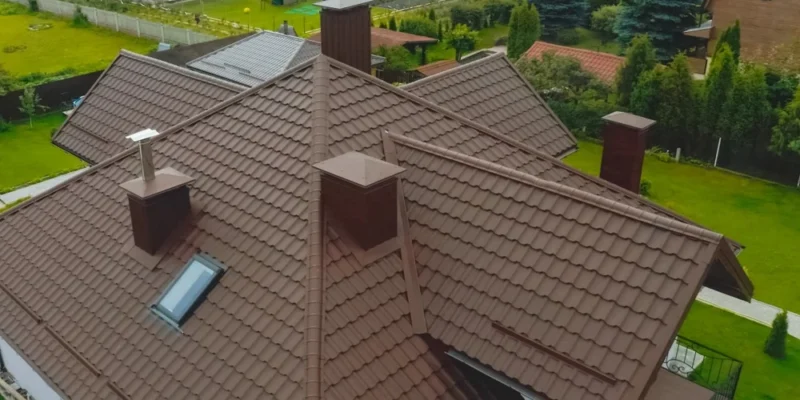
Drive the back roads between Pendleton and Lake Hartwell and a pattern starts to show up on new builds and renovated farmhouses alike. The main roof wears dark architectural shingles, while the front porch, a bay window or a shed dormer sits under crisp standing seam panels in barn red, charcoal or forest green. Underneath that look sits a practical question most homeowners never ask out loud. Can two materials that behave so differently really work side by side for thirty years?
They can, as long as the places where they meet are planned instead of improvised. Crews at Anderson Metal Roofing & Shingles work with both materials every week, along with flat systems and historic restorations, from their base off Grady Hall Road out to towns on both sides of the Georgia line. That kind of two-trade experience matters here, because a mixed roof only succeeds when someone treats it as one connected system rather than two separate jobs that happen to touch.
Why the Porch Gets the Metal
The pairing usually starts with geometry. Asphalt shingles need a certain amount of slope to shed water, and the International Residential Code sets the floor at 2 inches of rise per foot, with a doubled underlayment required on anything below 4 in 12. Plenty of porch roofs, especially on older Upstate homes, were framed shallower than that so they could tuck beneath second story windows. Shingles on those planes tend to leak at the first wind driven storm.
Many standing seam profiles are rated for much lower slopes, with some mechanically seamed panels approved down to half an inch of rise per foot. So the metal often lands exactly where the shingles would struggle. Metal over a porch also throws back a good share of summer sun and keeps the space beneath it a little cooler in a Carolina August.
The Seams Where Trouble Starts
Almost every leak on a mixed roof traces back to a transition. The field of each material is rarely the problem. These are the junctions worth asking about before anyone climbs a ladder.
- Shingles above, metal below. When an upper shingle roof drains onto a lower metal roof, water arrives concentrated and carries loose granules with it. A diverter or a properly sized gutter on the upper edge spreads that load out.
- A change of pitch on the same plane. Where a steep shingle slope breaks into a shallow metal section, the shingles must lap over a transition flashing so water always moves from the upper material onto the lower one, never behind it.
- Metal meeting a wall. A porch roof that dies into siding needs step or counterflashing plus a kickout at the bottom edge. Missing kickouts are one of the most common causes of rotted sheathing and stained siding near porch corners.
- Shared valleys. If a metal dormer and a shingle main roof form a valley together, the valley metal has to be compatible with the panels and wide enough to handle the volume coming off both sides.
Chemistry Nobody Mentions at the Estimate
Metal roofs have a weakness shingles don’t share. Certain combinations of metals and materials, given a little rainwater as a conductor, eat away at the protective coating. The Metal Construction Association lays out the common culprits in its technical bulletin on dissimilar metal corrosion, including runoff from copper and contact with pressure treated lumber.
On a mixed roof this gets practical fast. An old copper vent flashing or a decorative copper gutter upslope can leave streaks of corrosion on a Galvalume porch below within a few seasons. Treated ledger boards on a porch addition should never touch the panels directly. Some panel makers also caution against letting water drain off a large asphalt roof onto unpainted Galvalume, and a few warranties exclude that situation outright. Choosing a painted panel and reading the warranty before ordering avoids an awkward surprise later.
Two Materials Moving at Two Speeds
Steel grows and shrinks as the day heats and cools. A long panel on a south facing porch can move a noticeable fraction of an inch between a cool April dawn and a hot afternoon. Standing seam systems handle this with clips that let the panel float. Shingles, by contrast, are nailed down and barely move at all.
The trouble comes when a single piece of flashing gets fastened rigidly to both. Over hundreds of heat cycles, sealant cracks, nail holes elongate and a tiny gap opens right where the two roofs meet. Good installers let the metal side move independently and rely on overlap and gravity, not caulk, to keep water out.
Living With the Mix Year After Year
Care looks different on each side of the line. Shingles want an eye kept on granule loss, lifted tabs after strong storms and pine straw packing into valleys, which is a real chore in wooded neighborhoods around Clemson and Seneca. Metal asks for less, though exposed fastener panels need their screws and washers checked as the rubber ages, and leaves trapped at a transition can hold moisture against both materials at once.
Paperwork deserves equal attention. A shingle manufacturer’s warranty ends at the last shingle, and a metal manufacturer’s ends at the last panel. The junction between them is covered only by the installer’s workmanship guarantee, so it helps to see that in writing. Insurance can split the same way. After a hailstorm, dented shingles may be a straightforward claim while dented metal could fall under a cosmetic damage exclusion, depending on how the policy is written.
When Keeping It Simple Wins
A mixed roof isn’t automatically the better roof. On a house with many small, chopped up sections, adding a second material can look busy and double the number of transitions that need maintenance. Some neighborhood associations limit metal colors or require a single material. On historic homes, the right move is often to restore an original tin porch roof rather than replace it.
The best mixed roofs share one trait. Someone decided where each material belonged before the first bundle arrived, thought through how water would travel from one surface to the next, and left room for the metal to breathe. Get those decisions right and the two materials stop competing, each one doing the job it was built for on the part of the house that needs it most.





Comments