
 By
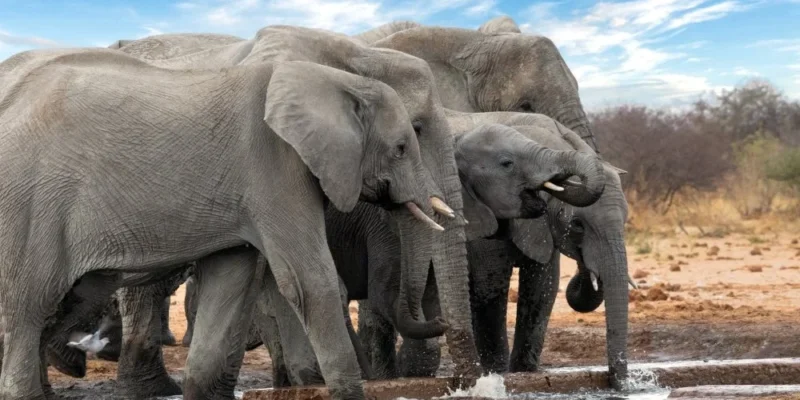
Samui Elephant Haven takes in elephants that spent years working in tourism and industry, then gives them space, food, and medical care without asking anything of them in return. There is no riding, no bathing with visitors, and no performing. The sanctuary runs two sites, one on Koh Samui and one on Koh Phangan, and together they show what a working elephant rescue park thailand looks like on an ordinary day.
Where the Elephants Come From
Most of the elephants at the haven were rescued from three kinds of work:
- Trekking and riding camps. Many spent years carrying tourists on their backs. Yin Dee, one of the older females, came from a riding camp in Pattaya.
- The logging industry. Some elephants were used to haul timber, which is heavy and physically demanding work.
- Camps hit by the pandemic. When tourism collapsed, camps lost their income and some elephants went short of food and care. The Koh Phangan site was itself a struggling riding camp before it became a sanctuary.
The Three Rules
Both sanctuaries follow the same three rules:
- No riding. Elephants are large, but their backs are not built to carry heavy loads.
- No bathing. Elephants are not made to bathe several times a day for visitors, because that routine doesn’t match their natural behaviour.
- No entertaining. There are no shows, tricks, or forced photo poses.
The sanctuary describes its approach as love over profit, putting the elephants’ wellbeing ahead of what visitors might want to do with them.
How Visitors Can Help
Every booking helps pay for food, care, and future rescues. The haven offers three programmes:
- Feed the Herd. A 45 to 60 minute session feeding the elephants fresh fruit and handmade rice balls.
- Half Day Tour. About three hours walking through the park, learning about Asian elephant behaviour, and watching the herd.
- Full Day Volunteer Programme. Eight hours in a group of two to six people, cleaning enclosures, cutting grass, and preparing food alongside the team.
For people who can’t visit, the sanctuary sells handmade elephant cakes made from fresh fruit and vegetables. Choosing to support an elephant rescue park thailand from abroad this way still makes a real difference to the herd’s diet. There are three sizes:
- Mini cake. 15 kg for 1,600 THB.
- Family cake. 25 kg for 2,500 THB.
- Jumbo cake. 80 kg for 5,000 THB.
Cakes should be ordered seven days in advance. Each buyer receives a photo of the cake with a personalised message and a short video of the elephants eating it.
Planning a Visit
Tours run in the morning and afternoon at both sites, and bookings are made through the Samui Elephant Haven website. Comfortable shoes are worth bringing for the walking trails, along with a camera. Visitors watch the elephants from a respectful distance during most of the visit, with close contact limited to feeding time.


Comments