
 By
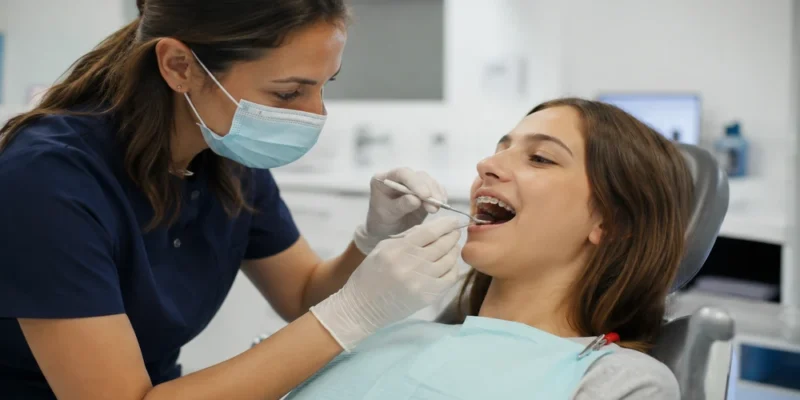
You hear that your child needs a crown, and the next thought usually comes fast. Will it show when they smile, how long will it last, and are you about to pay more for something that looks better but may not hold up as well? That tension is real. At Children’s Dental FunZone in Santa Ana, CA, parents are often balancing comfort, appearance, cost, and the simple wish to avoid doing the same treatment twice.
That is usually where the choice between stainless steel and tooth colored crowns begins. In many cases, stainless steel crowns are chosen for back teeth with large areas of decay because they are durable and predictable. Tooth colored pediatric crowns are often chosen when appearance matters more, especially on front teeth, or when a family strongly prefers a more natural look. The right choice depends on the tooth, your child’s bite, decay risk, and how likely the crown is to stay in place until the baby tooth falls out.
Pediatric crown selection depends on the tooth, the child, and the level of damage
A pediatric dentist is not just choosing a material. They are choosing what gives your child the best shot at staying pain free, eating normally, and avoiding another procedure. A small cavity and a badly broken baby molar are not the same problem, so they do not get the same answer.
For back baby teeth, stainless steel crowns have a long record of success. The American Academy of Pediatric Dentistry supports full coverage restorations for primary teeth with extensive decay or after pulp therapy, and AAPD restorative guidance explains why full coverage is often the most reliable option when a tooth has lost a lot of structure.
That matters because baby teeth are small, children chew hard, and a heavily restored tooth can fail if a filling does not have enough healthy tooth left to hold onto. You may be thinking, it is only a baby tooth, so why not do the simplest thing? The problem is that baby teeth hold space for adult teeth, help with speech, and let children eat without pain. Losing one too early can create a longer chain of problems.
Tooth colored crowns solve a different concern. They blend in better, and that matters a lot when the tooth is visible. Many parents feel a knot in their stomach when they imagine a metal crown on a child who already feels self conscious. That feeling makes sense. Esthetics are not vanity when they affect a child’s comfort at school or in photos.
Stainless steel crowns and tooth colored pediatric crowns solve different problems
When dentists weigh stainless steel vs white pediatric crowns, they are looking at function first. Stainless steel crowns are known for strength, full coverage, and lower technique sensitivity. In plain terms, they are forgiving and dependable, especially on primary molars. They can handle heavy biting forces and are often faster to place.
Tooth colored options include zirconia crowns and other esthetic pediatric crown systems. These can look excellent, but they usually require more tooth reduction and more precise technique. If your child has limited patience in the chair, or the tooth is deep in the back where no one sees it, a dentist may lean toward stainless steel because speed and durability matter more in that moment.
Research keeps pushing this conversation forward. A recent clinical review on pediatric crowns highlights the continued value of stainless steel crowns while also looking at newer esthetic options. Another study on zirconia crowns in children reflects growing interest in tooth colored choices, especially for families focused on appearance and gingival response.
None of this means one type is always better. It means each crown has a lane. If a child has high cavity risk, grinds their teeth, or needs treatment under sedation where long term success is the priority, many pediatric dentists favor stainless steel on back teeth. If the crown is on a front tooth, or a family strongly wants a natural look and accepts the tradeoffs, tooth colored crowns may be the better fit.
The practical differences between metal and tooth colored crowns are easy to see
| Factor | Stainless Steel Crowns | Tooth Colored Pediatric Crowns |
|---|---|---|
| Best use | Back baby teeth with large decay or after pulp treatment | Front teeth or visible areas where appearance matters most |
| Appearance | Silver colored and visible | Blends more naturally with teeth |
| Durability | Very strong under chewing forces | Strong, but technique and case selection matter |
| Tooth reduction | Often less aggressive | Often requires more shaping of the tooth |
| Placement tolerance | More forgiving in difficult pediatric visits | Needs precise fit and moisture control |
| Cost | Usually lower | Usually higher |
This is why pediatric dental crowns are never just a cosmetic decision. A child who needs a crown on a second primary molar before age five may need that tooth to last for years. In that case, the most natural looking option is not always the one a pediatric dentist recommends. The goal is to match the crown to the job it has to do.
Parents can make the decision easier with a few clear steps
Ask which teeth are being treated and how long they need to last. A crown on a front tooth close to natural loss is a different decision than a crown on a back tooth that needs to function for several more years. The timeline changes the recommendation.
Ask what matters most in your child’s case, strength, esthetics, or treatment speed. Some children do well with longer, more detailed appointments. Others need the most durable option placed as efficiently as possible. That is not a small detail. It often drives the treatment plan.
Ask about cavity risk and bite habits before choosing the crown type. If your child has frequent decay, a deep bite, or grinding, the dentist may steer you toward the option with the best track record for survival. If appearance is the main concern and the case fits, a tooth colored crown may work well.
The best pediatric crown choice is the one that fits your child’s real needs
You do not need to become a dental materials expert to make a sound decision. You just need a clear explanation of what tooth is involved, how damaged it is, and what the crown has to withstand. That is how a good pediatric dentist chooses between stainless steel and tooth colored crowns, not by trend, but by fit.
If your child has been told they need a crown, ask for the reasoning behind the recommendation and the tradeoffs of each option. A calm, direct conversation with a pediatric dentist can turn a stressful moment into a manageable one.



Comments