
 By
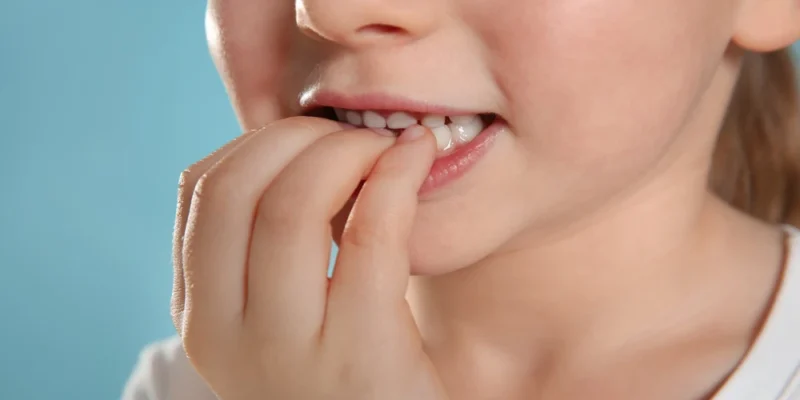
You notice the chewed pencil erasers, the short nails, the shirt collar stretched from constant chewing, and it starts to wear on you. Part of you hopes your child will outgrow it. Another part worries every time you see a chipped tooth, sore skin around the nails, or hear that grinding little bite on a pencil during homework. That tension is common. These habits often begin as comfort, stress relief, boredom, or simple routine, but they can affect teeth, jaws, gums, and even the skin around the mouth and fingers. If you are looking for a dentist for kids in Oxnard, CA, it may help to talk with a professional about these concerns.
A pediatric dentist looks at the habit itself and at what is driving it. The goal is not to shame your child or force a quick fix. The goal is to protect oral health, spot damage early, and help your child replace the habit with something safer and more manageable. When families have a steady dental home, children often get support sooner, which is one reason the American Academy of Pediatric Dentistry encourages establishing a dental home early.
Pencil chewing and nail biting can affect more than appearance
Nail biting, pencil chewing, lip chewing, and similar habits may look harmless at first, especially if your child only does them while reading, watching a screen, or falling asleep. The trouble is repetition. Teeth are strong, but they are not meant to clamp down on wood, graphite, fingernails, sleeves, or hard plastic over and over. That pressure can wear edges down, create tiny cracks, irritate gums, and sometimes shift the bite.
You may also be dealing with the emotional side. A child who bites nails may feel embarrassed when you point it out. A child who chews pencils might not even realize they are doing it. If stress is part of the pattern, constant correction can make the habit worse. That is where a pediatric dentist for oral habits can help. The visit is not just about the teeth. It is about finding the trigger, checking for damage, and giving you a plan that your child can actually follow.
Some habits overlap with normal development. Thumb sucking and pacifier use are common examples in younger children, and guidance depends on age, frequency, and effect on the bite. The American Dental Association explains when thumb sucking becomes more likely to change the way teeth line up in this thumb sucking overview. The same basic idea applies to pencil chewing and nail biting. Frequency matters. Duration matters. Force matters.
Pediatric dentists treat the cause and the damage at the same time
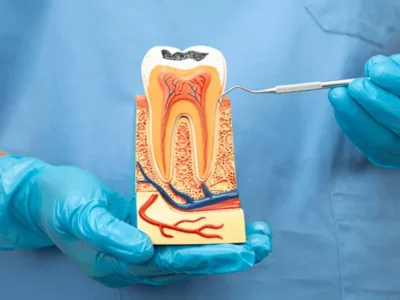
When a child comes in for help for nail biting and pencil chewing, the dentist usually starts with a simple exam. They look for worn enamel, chips, sore gums, jaw tension, bite changes, mouth sores, and signs that the habit is getting stronger. They may also ask when it happens most. During homework. In the car. At bedtime. After a stressful school day. That pattern often tells you more than the habit itself.
If the damage is mild, the plan may focus on awareness and substitution. Your child might keep a smooth worry stone nearby, use sugar free gum if age appropriate, hold a fidget during reading time, or apply a barrier like a bandage to a finger they bite most. If the habit centers on pencils, switching to chew resistant pencil grips or offering a safe oral sensory tool may reduce the urge without turning every homework session into a fight.
If there is tooth damage, the pediatric dentist may smooth rough edges, monitor cracks, recommend fluoride support, or repair chips if needed. If the bite is changing or the pressure is intense, they may suggest orthodontic monitoring. If anxiety, sensory needs, or attention concerns seem tied to the habit, they may also encourage a conversation with your child’s pediatrician or therapist. HealthyChildren.org has a helpful guide on common childhood habits that can help parents understand what is typical and when extra support makes sense.
Home strategies and professional care work best together
| Approach | What it can help with | Limits to know |
|---|---|---|
| Reminders at home | Builds awareness when the habit is unconscious | Can lead to shame or power struggles if used too often |
| Habit replacement tools | Gives the hands or mouth something safer to do | Works best when you know the trigger, such as boredom or stress |
| Bitter nail coatings | May reduce nail biting in some children | Does not address anxiety, sensory needs, or pencil chewing |
| Pediatric dental exam | Finds tooth wear, chips, bite changes, and gum irritation early | Needs follow through at home for the habit itself to improve |
| Behavioral or medical support | Helps when habits are linked to stress, ADHD, or sensory regulation | May take time to identify the right support |
The most effective plan usually blends both sides. Home support lowers the daily urge. Professional care protects teeth and catches problems before they become expensive or painful. That is the heart of how pediatric dentists address chewing habits in children. They do not just say stop. They help you figure out why it is happening and what to do next.
Three steps you can take right away
Track the pattern for one week. Write down when the habit shows up, what your child is doing, and how they seem to feel. You may find that nail biting happens during screen time, while pencil chewing spikes during homework, or lip chewing shows up when your child is tired.
Replace the habit instead of only correcting it. Give the hands or mouth a safer job. A fidget, a soft fabric square, sugar free gum for older children, or a dentist approved chew tool can reduce the urge better than repeated warnings.
Schedule a pediatric dentist visit if you see damage or the habit is frequent. Chipped edges, tooth sensitivity, jaw soreness, bleeding around nails, or a habit that has become daily all deserve a closer look. A pediatric dentist can tell you whether the teeth and bite are being affected and what level of treatment, if any, is needed.
Steady support usually works better than pressure
These habits can be stubborn, and that does not mean you are missing something or that your child is being difficult. Many children need time, a clear pattern, and the right substitute before the habit starts to fade. What helps most is calm consistency, early dental guidance, and a plan that matches the real reason behind the behavior.
If the chewing or biting is leaving marks on teeth, affecting comfort, or becoming part of everyday life, a pediatric dental visit can give you clear answers and a realistic next step.



Comments