
 By
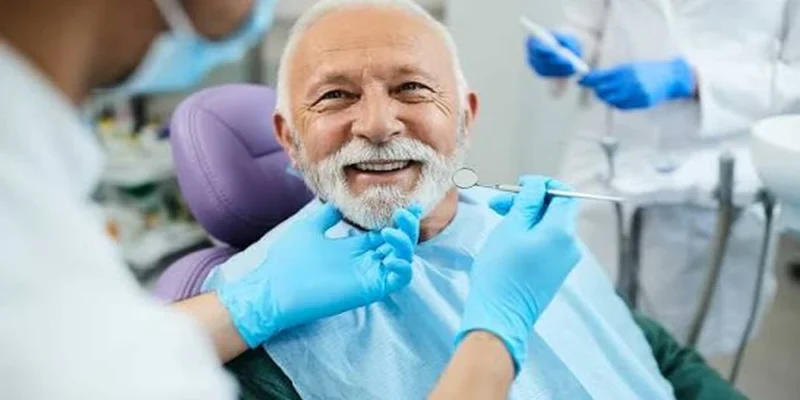
You do not plan for a chipped tooth during dinner, a child waking up with swelling, or a weekend fall that turns into a frantic search for help. Dental emergencies usually show up in the middle of ordinary life, when your schedule is already full and your stress is already high. If you are caring for kids, teens, or older relatives, that pressure multiplies fast, and finding custom crowns for stronger teeth in Stone Oak can become part of the solution.
The hard truth is that many urgent dental problems do not start as emergencies. They start as a small cavity, a missed cleaning, a mouthguard that never got made, or a toothache that seemed minor until it was not. The good news is that the right dental care can lower those risks in a real way. A strong relationship with a family dentist, regular preventive visits, early treatment, and protective care all help stop pain and panic before they start.
Preventive dental visits catch small problems before they turn urgent
Most families know they should schedule checkups, but life gets crowded and dental visits often slide down the list. That delay is where trouble grows. A tiny cavity can deepen, bacteria can spread, and gum irritation can become infection. By the time someone feels sharp pain, the treatment is usually more involved and more expensive.
Routine exams and cleanings are one of the most effective services that help families avoid dental emergencies. During these visits, a family dentist can spot early decay, loose fillings, bite problems, and signs of infection before they become severe. Professional cleanings also remove plaque in places brushing misses, which matters even more for children who are still learning good technique and adults with crowded teeth or gum issues.
Prevention at home matters too. The CDC shares practical oral health tips for children that support what happens in the dental chair, including brushing with fluoride toothpaste and building steady daily habits. Those small routines lower the chance that a normal school week turns into an emergency visit.
Early cavity and infection treatment protects families from sudden pain
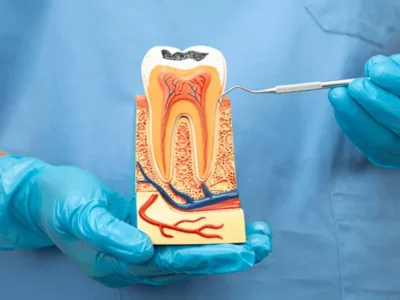
Tooth decay rarely stays still. Once it moves past the outer layer of the tooth, pain can build quickly. A child who says cold juice hurts one week may be crying over a throbbing tooth the next. An adult who ignores pressure when chewing may end up with an abscess, facial swelling, or a cracked tooth from weakened structure.
That is why prompt treatment is one of the most effective emergency prevention dental services a family can rely on. Fillings, sealants, fluoride treatments, and early gum care all interrupt the chain reaction before it becomes urgent. If a dentist sees signs that a tooth is infected, acting early may prevent the need for more extensive treatment later.
Infections deserve special attention because they can move beyond the tooth. MedlinePlus explains the signs of a tooth abscess, including severe toothache, swelling, fever, and a bad taste in the mouth. Those symptoms are not something to watch for a few more days. They are a sign to get care quickly.
Custom mouthguards and protective care reduce sports and activity injuries
Families with active kids know how fast accidents happen. A basketball elbow, a scooter fall, a collision at practice, or rough play in the yard can knock out or fracture a tooth in seconds. Even adults grind their teeth at night or clench during stress, which can wear down enamel and lead to cracks that seem to come out of nowhere.
Protective dental care is often overlooked because it does not feel urgent until after the injury. That is exactly why it matters. Custom mouthguards for sports and nightguards for grinding reduce the force that reaches teeth and jaws. They fit better than over the counter options, which means people are more likely to wear them and they work better when impact happens.
This is one of the most practical forms of family dental care. It addresses real life, not ideal life. Kids run, teens compete, adults carry stress in their jaw, and teeth need protection from all of it.
Access to pediatric emergency guidance helps parents respond the right way
Even with strong prevention, accidents still happen. What changes the outcome is how fast and how calmly a family responds. If a baby falls and injures a mouth, if a permanent tooth gets knocked out, or if a child has sudden swelling, clear guidance matters. Panic leads to delays, and delays can affect whether a tooth can be saved.
A family dentist who offers guidance for urgent situations gives you more than treatment. You get a plan. The American Academy of Pediatric Dentistry provides emergency oral care recommendations for infants, children, and adolescents that show how time sensitive many injuries are. Knowing when to call, what to do with a knocked out tooth, and how to manage pain or swelling at home while seeking care can make a major difference.
| Service | How It Helps | If It Gets Delayed |
|---|---|---|
| Routine exams and cleanings | Finds cavities, gum issues, and weak fillings early | Small issues can turn into pain, infection, or broken teeth |
| Early cavity and infection treatment | Stops decay from reaching the nerve or spreading | Higher risk of abscess, swelling, root canal, or extraction |
| Custom mouthguards and nightguards | Protects teeth from impact and grinding damage | More fractures, knocked out teeth, enamel wear, and jaw pain |
| Emergency guidance and follow up care | Helps families respond fast and correctly during injuries | Lost time can reduce the chance of saving a tooth |
Simple steps help you lower the risk of a dental emergency
Book preventive visits before there is a problem. Put routine exams and cleanings on the calendar the same way you schedule school physicals or car maintenance. When visits become automatic, problems are easier to catch and easier to treat.
Act on small symptoms right away. Sensitivity, bleeding gums, pain when chewing, or a child avoiding one side of the mouth are early warning signs. Waiting for stronger pain usually means a deeper problem and a harder fix.
Prepare for active life. Ask about custom mouthguards for sports and nightguards for grinding, and keep your dentist’s contact details easy to find. If an injury happens, you will not waste precious time deciding what to do next.
Families do not need perfect routines to avoid most urgent dental problems. They need steady care, quick attention to warning signs, and a trusted dental home that can guide them when something feels off. A skilled family dentist helps turn dental care from a last minute crisis into a manageable part of everyday health. If your household has been putting off care, now is a good time to schedule the support that keeps small issues from becoming emergencies.

Comments