
 By
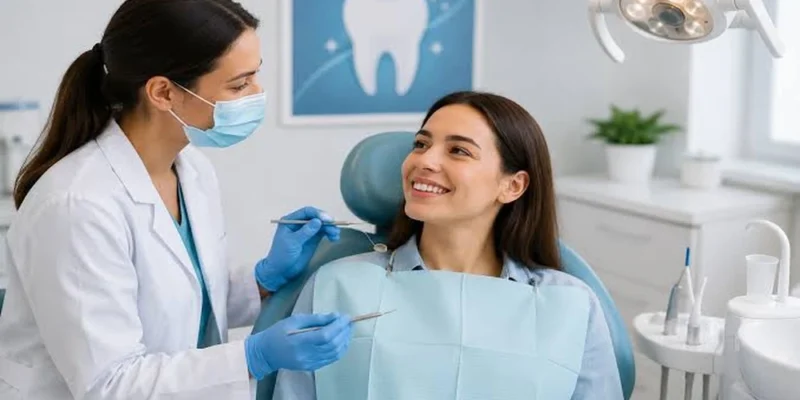
You paid for a smile that looks good and feels like you again, so it is frustrating when everyday things like soda, citrus, sports drinks, wine, or reflux start to feel like a threat. Maybe your veneers still look fine, but your teeth feel sharp at the edges. Maybe bonding has picked up stains, or a crown feels more sensitive than it used to. That stress makes sense, especially if you have invested in a smile makeover in Edmonton, AB. Cosmetic dental work is an investment, and acid can wear down the natural tooth structure around it even when the restoration itself is strong.
The short version is simple. Acid does not just affect enamel. It can weaken the tooth surface around veneers, bonding, crowns, and fillings, which changes how your dental work looks, feels, and lasts. Protecting it usually comes down to a few steady habits, better timing, and getting help when sensitivity or erosion starts early.
Acid exposure wears down the teeth supporting cosmetic dental work
Acid comes from more places than most people realize. Soft drinks and sour candy are obvious, but fruit juices, sparkling water with citrus, salad dressings, wine, and frequent snacking can keep your mouth acidic for hours. Stomach acid from reflux or vomiting is even harsher. According to the tooth decay process explained by NIDCR, repeated acid attacks soften enamel and start the breakdown that leads to decay.
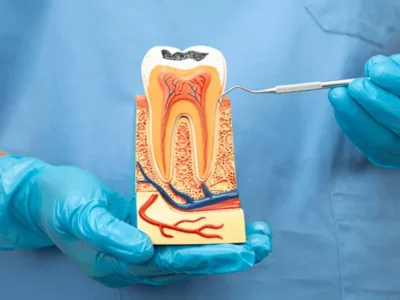
If you have veneers or bonding on front teeth, the weak point is often the natural enamel next to the restoration. If that enamel erodes, the edges can look uneven or darker, and the cosmetic work may stand out for the wrong reason. If you have crowns, the crown material may hold up well, but the tooth margin near the gumline can still get damaged. You might notice sensitivity first. Columbia Dentistry notes that sensitive teeth often show up when enamel wears down and dentin becomes more exposed.
That is why protecting dental veneers and bonding from acid is not just about avoiding one drink or brushing harder. It is about preserving the tooth underneath and around the cosmetic work.
Seven practical ways to reduce acid damage to cosmetic dentistry
1. Drink acidic beverages with meals instead of sipping them all day. A single soda with lunch is easier on your teeth than slow sipping for three hours.
2. Use a straw when it makes sense. It helps move acidic drinks past the front teeth, which matters if you have veneers or bonding there.
3. Rinse with plain water right after acidic foods or drinks. This is one of the easiest ways to cut the acid load in your mouth.
4. Wait before brushing. Brushing right after acid exposure can scrub softened enamel. Give your mouth about 30 minutes to recover.
5. Choose lower acid options more often. Water and milk are easier on teeth than soda, energy drinks, and citrus drinks. The HRSA oral health and nutrition resource also connects food choices with stronger teeth and fewer acid related problems.
6. Treat dry mouth seriously. Saliva helps neutralize acid. If your mouth feels dry from medication, mouth breathing, or dehydration, acid has more time to do damage.
7. Get reflux checked. If acid is coming from your stomach, no mouthwash or toothpaste can solve the full problem. Nighttime reflux can quietly wear down teeth for months before you see it.
Small habits create big differences in cosmetic dental work longevity
People often focus on the restoration material, but daily exposure matters just as much. Porcelain is stain resistant, yet the tooth around it can erode. Composite bonding is conservative and beautiful, but it can dull or stain faster when acid and pigment hit it often. Whitening results can also become uneven if acid roughens enamel and creates patchy wear.
You may be trying to do everything right and still feel caught off guard. That happens a lot with hidden sources like pre workout drinks, apple cider vinegar, lemon water, or chronic heartburn. A person can skip candy completely and still have acid wear because the pattern is frequent exposure, not just sugar.
Daily choices can either protect or shorten the life of cosmetic dentistry
| Situation | Higher Risk Choice | Lower Risk Choice | Likely Effect on Cosmetic Work |
|---|---|---|---|
| Morning drink | Lemon water sipped over an hour | Water or coffee consumed in one sitting | Less enamel softening around veneers or bonding |
| Post workout | Sports drink followed by no rinse | Water rinse, then regular hydration | Lower acid contact on enamel and crown margins |
| After citrus or soda | Immediate brushing | Wait 30 minutes, then brush gently | Less risk of brushing away softened enamel |
| Frequent heartburn | Ignoring symptoms | Medical evaluation and dental monitoring | Less hidden erosion undercutting cosmetic results |
| Dry mouth | Low water intake and constant snacking | Hydration and saliva support | Better natural buffering against acid |
Acid protection for cosmetic dental work starts with immediate steps
Track your acid timing. Write down what you sip, snack on, or take for reflux for three days. Patterns show up fast. Most people do not have one major acid event. They have ten small ones.
Change the order of your routine. If you have juice, soda, or fruit, rinse with water first and wait to brush. If you wear aligners or a nightguard, clean them well so acid and sugars are not sitting against your teeth.
Book a dental check if sensitivity has started. Early erosion is easier to manage than advanced wear. A family and cosmetic dentist can check margins, polish rough areas, review your diet, and look for signs that your restorations or enamel need support.
Protecting your smile is easier when you catch acid damage early
You do not need a perfect diet or a fear of every acidic food to keep your smile looking good. You need a few habits that lower exposure and a plan for anything that keeps coming back, especially dry mouth, sensitivity, or reflux. Cosmetic dentistry protection is often less about dramatic treatment and more about steady prevention.
If your teeth feel more sensitive, your bonding looks dull, or your veneers and crowns are starting to look uneven at the edges, schedule a visit with a family and cosmetic dentist. A small adjustment now can help protect the work you already invested in.

Comments